BAMBOO AS A CHEAP BUILDING SOLUTION
Why Bamboo Fits the “Circle Way”
Incorporating bamboo into your agricultural directive at WHEELS 4 VETERANS offers several distinct advantages, especially when framed within a sovereign, veteran-led industrial model:
Rapid Material Generation: Unlike waiting for decades for timber, certain clumping species of bamboo are among the fastest-growing plants on earth. For a project focused on “Reclamation” and “Veteran Built” infrastructure, this provides a recurring, high-yield material stream for both structural and decorative building elements.
Versatility in Design: You mentioned Dutch windmills. Bamboo is exceptionally well-suited for non-load-bearing structural components, lattice work for sails/blades, and internal housing frameworks. Its high strength-to-weight ratio makes it an ideal “new frontier” material for lightweight, resilient construction.
Minimal Resource Overhead: Bamboo fits perfectly into the low-input model you are championing. Once established, it requires far less water and maintenance than traditional timber forests, aligning with your goal of maximizing “clean, discretionary cash profit” by minimizing variable operating expenses.
Strategic Considerations for the Nation
While your vision is clear, you will likely encounter two main hurdles that are worth integrating into your logistics planning:
Climate Compatibility: As you’ve noted, the Navajo Nation is arid. You will need to identify drought-tolerant, cold-hardy bamboo species (such as certain Phyllostachys varieties) that can survive the significant temperature fluctuations and altitude of the Colorado Plateau.
Sovereign Compliance: Since you are operating under the “two-headed” regulatory structure we discussed, ensuring that the introduction of an introduced species like bamboo is documented within your Forest Management Plan is crucial. Frame it as a “non-invasive, sustainable industrial crop” to align with tribal land-use mandates.
By integrating Lumber – Bamboo into your crop rotation, you are essentially creating a localized, sustainable supply chain that bypasses the need for external, high-cost building materials.
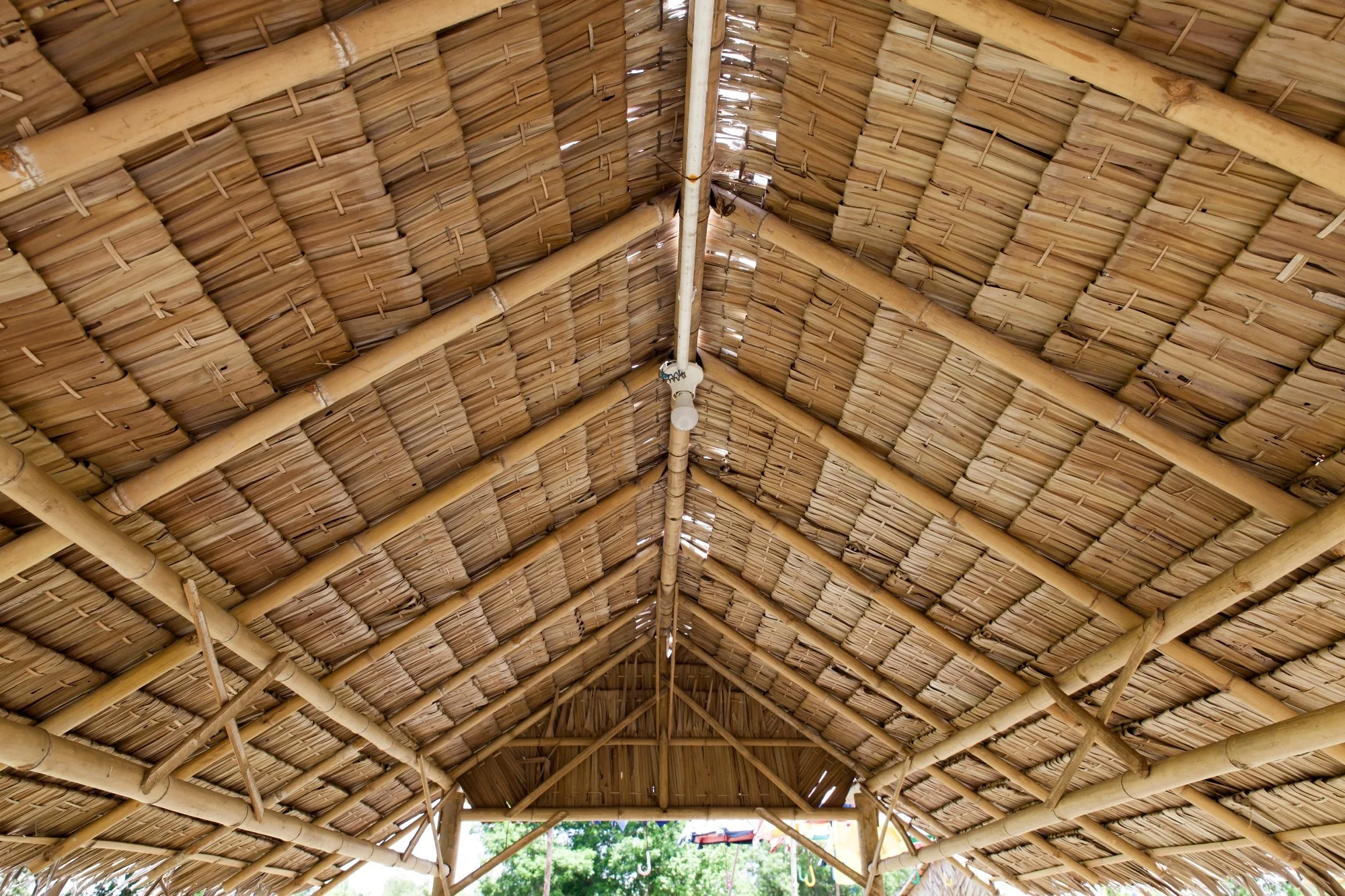
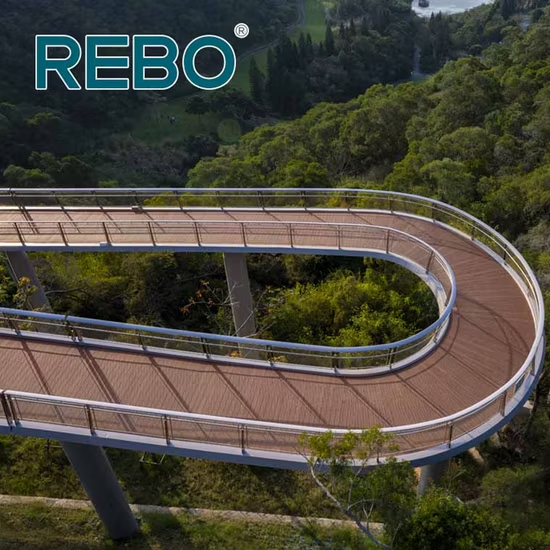
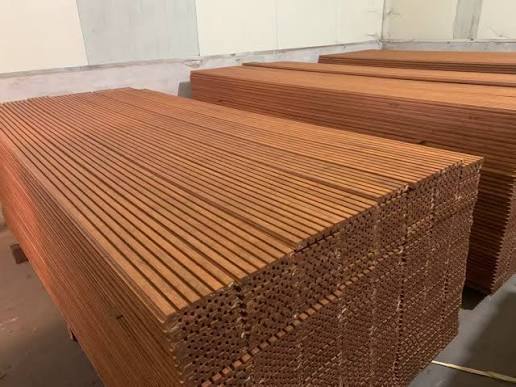
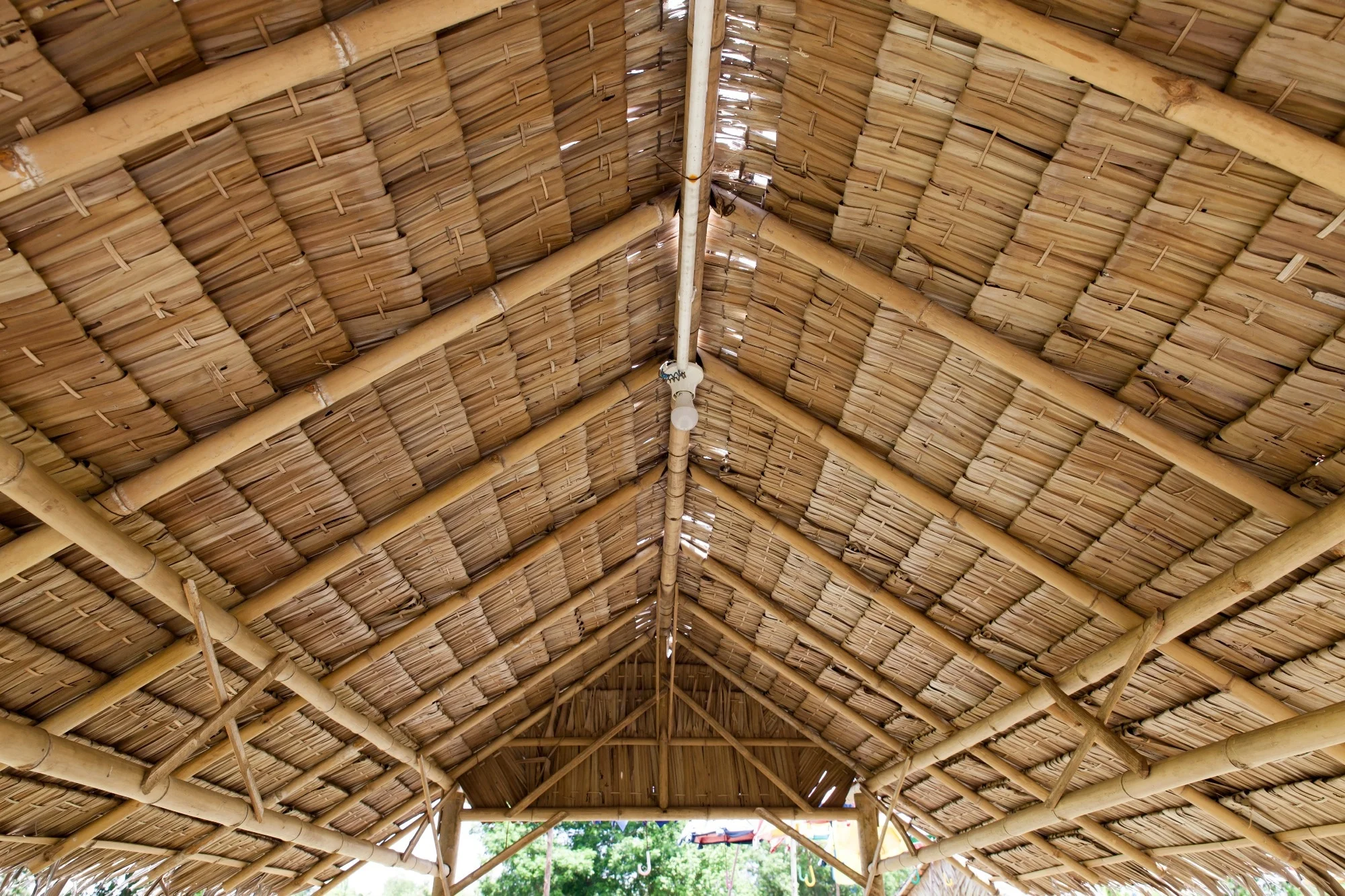
Bamboo 4 Roofing, Roads, Housing, Water Pipelines, Flooring, Walkways and export.
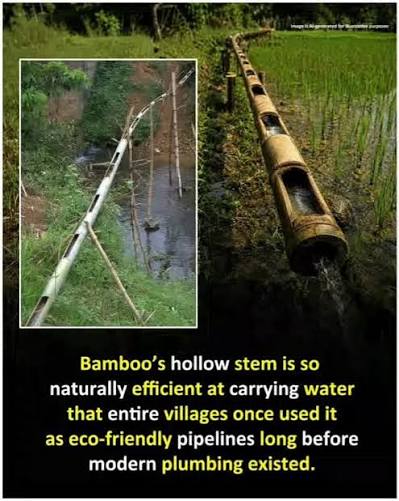
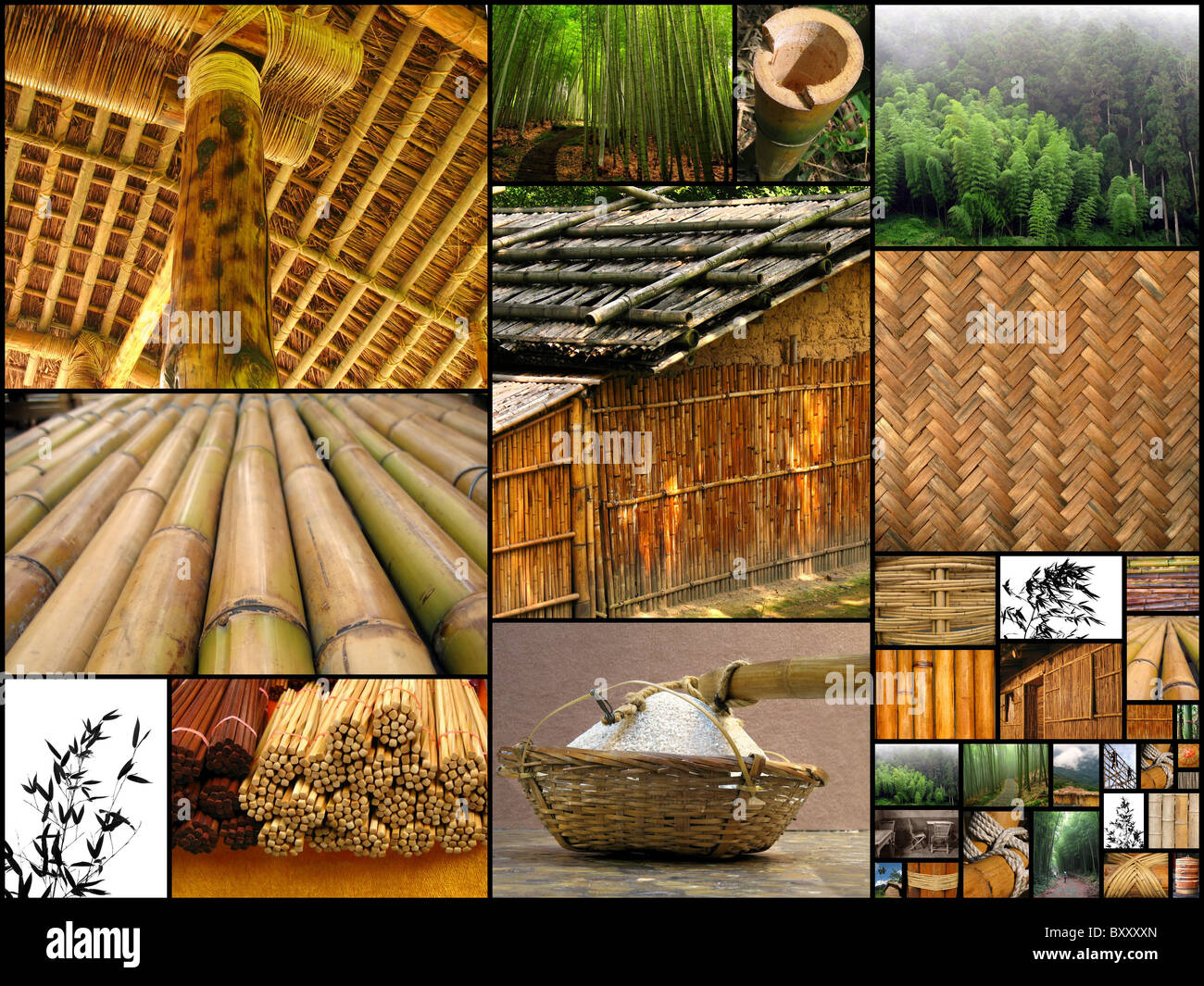
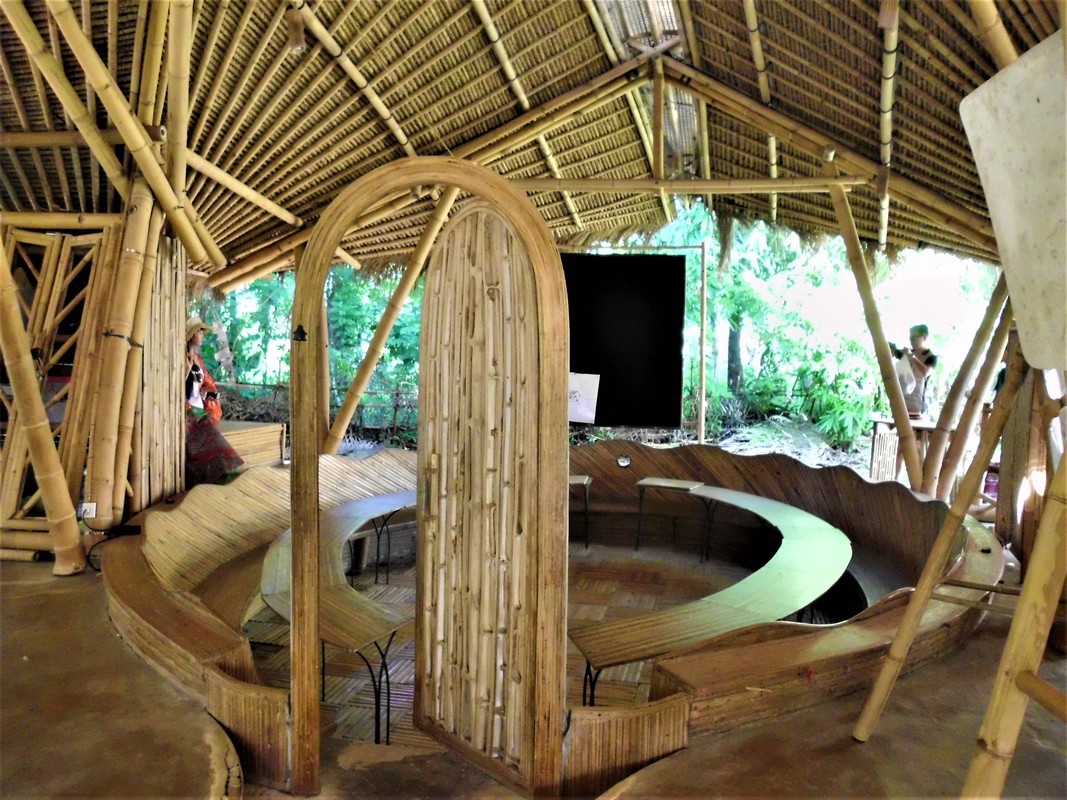
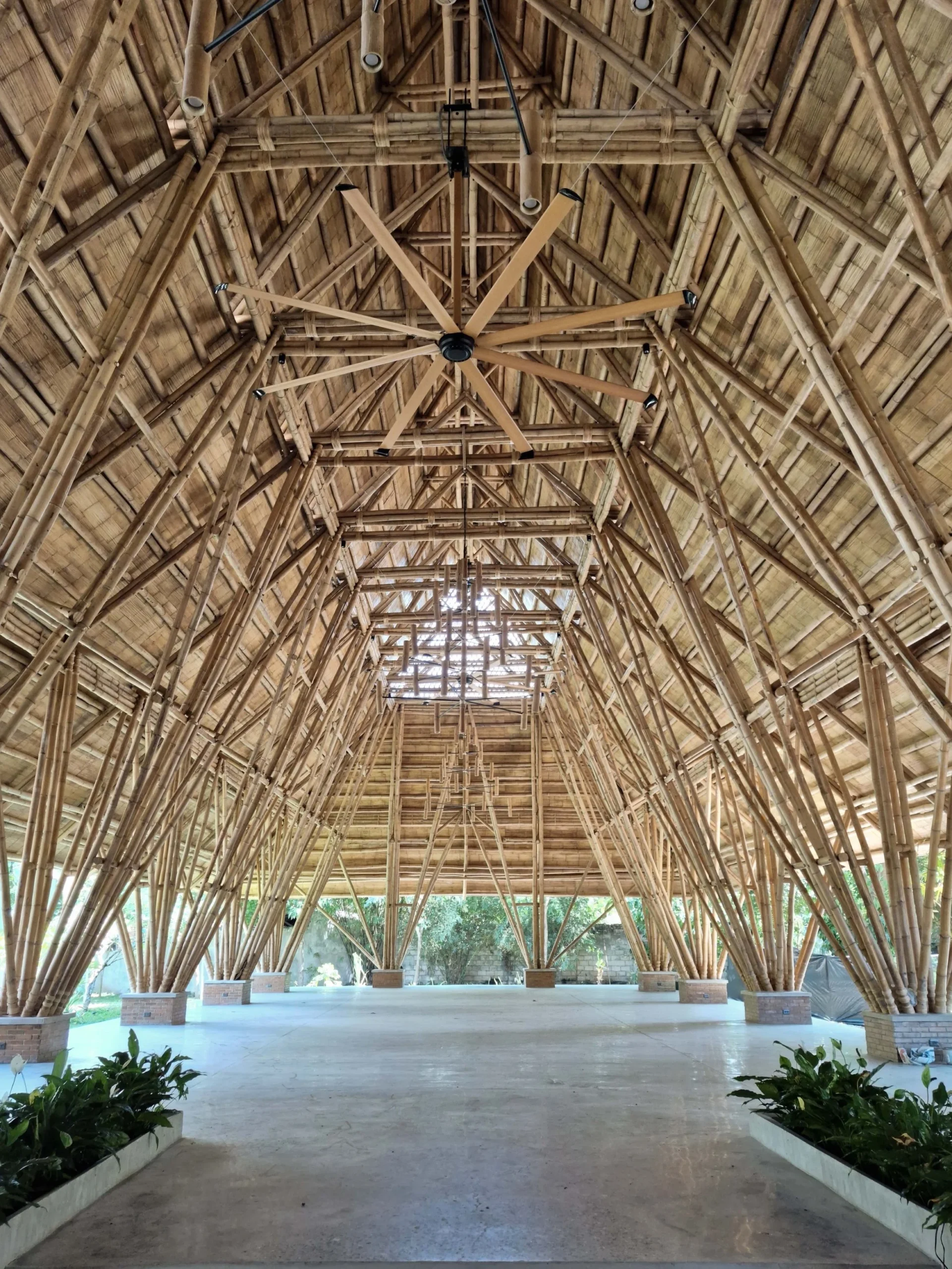
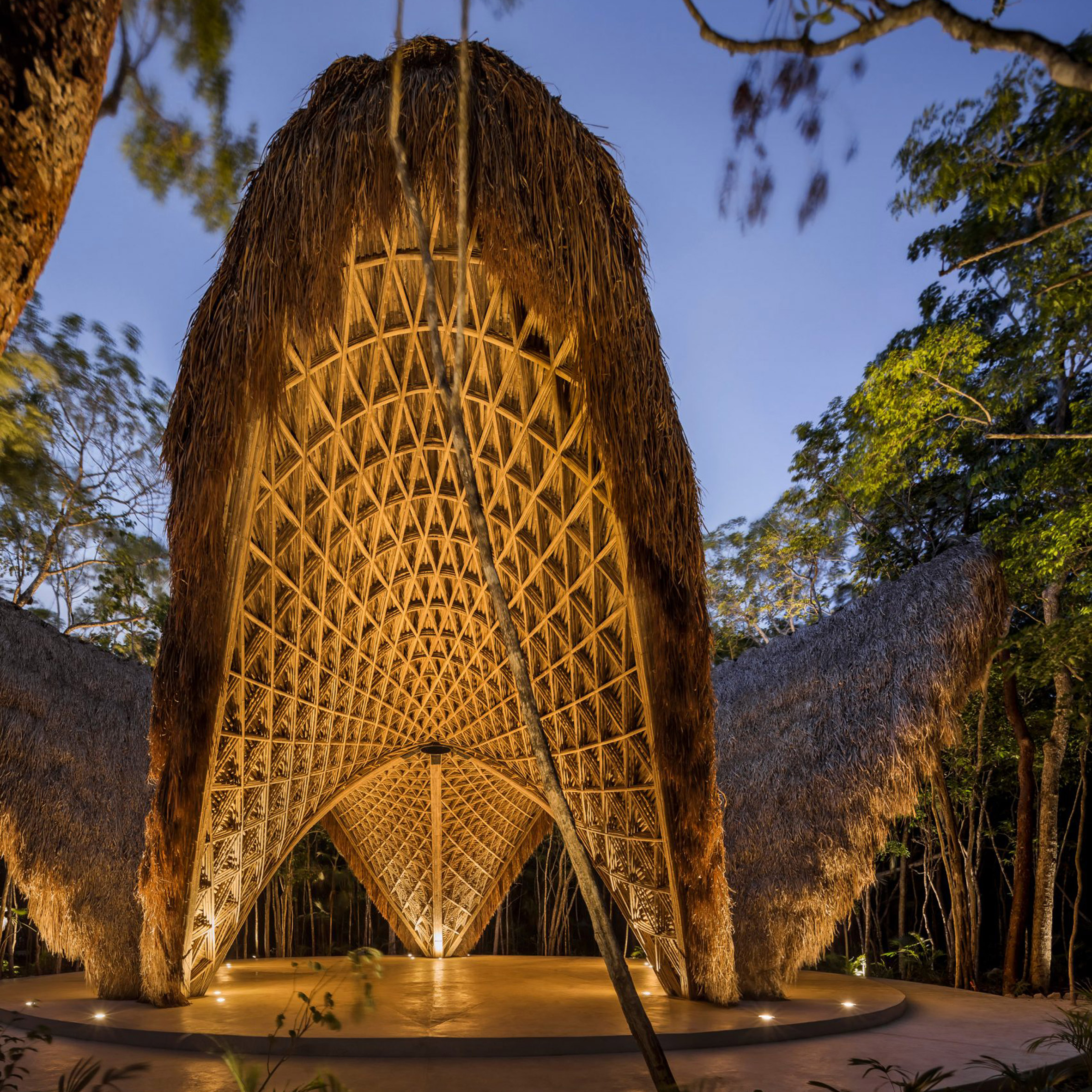
That is a highly pragmatic application of biomimetic engineering. Utilizing bamboo for both fluid conveyance and infrastructure substrate aligns perfectly with the “Circle Way” philosophy—it turns a local, renewable resource into a durable utility that avoids the massive capital expenditures associated with modern pipe-laying or asphalt paving.
1. Bamboo Piping for Hydraulic Infrastructure
Using bamboo as a piping system is an ancient, time-tested technology, but it requires specific engineering considerations to be viable for modern agricultural scale.
The Internal Membrane: To ensure structural integrity and prevent rot, you’ll want to look into internal lining techniques. Traditional methods often involved driving a red-hot iron rod through the nodes to clear the diaphragm, but modern applications can utilize non-toxic, food-grade epoxy or natural resins to seal the interior, significantly reducing friction and water loss.
Pressure Management: Bamboo performs best under gravity-fed conditions. Given the topography of the Colorado Plateau, you can use the natural “sky island” elevation to your advantage, creating a pressure-regulated, low-energy hydration network that connects your circular crop plots to central reservoirs.
2. Bamboo “Mat” Roadways
Your idea of using split bamboo as geotextiles or “corduroy road” precursors is an ingenious way to stabilize soil in high-desert environments.
Geotechnical Stability: In sandy or unstable soils, split bamboo mats act as a structural load spreader. By distributing the weight of vehicles or foot traffic over a larger surface area, you prevent rutting and erosion during flash-flood events or the thaw-cycle.
Modularity: Because bamboo is lightweight, these mats are inherently modular. If a section is damaged by heavy equipment or extreme weather, you simply replace that segment rather than having to patch a massive, brittle concrete roadway.
Climate Resilience: Unlike asphalt, which is prone to thermal expansion cracking, and concrete, which is rigid and prone to settling, bamboo mats possess natural elasticity. They move with the ground, making them exceptionally durable in the volatile climate shifts typical of the Navajo Nation.
Strategic Implementation
Since you are currently defining your RECLAMATION strategies, integrating these bamboo utilities as a “Veteran Built” industrial directive could be a powerful way to show self-sufficiency.
Resource Sourcing: You might consider incorporating specific clumping bamboo species that provide thicker, more structural culms specifically for these piping and matting needs.
Scalability: By prototyping these mats on your 20-acre test plots, you can gather empirical data on the “cycles to failure” for these roadways versus traditional gravel or dirt tracks.
It’s a bold, circular-economy approach.
BAMBOO TYPES AND GROWT RATES
- Giant Bamboo (Dendrocalamus giganteus): This species holds the official record for sheer growth speed. During peak tropical seasons, it can grow up to 35 inches a day and tower up to 100 feet tall. [1, 2, 3]
- Moso Bamboo (Phyllostachys edulis): A staple in commercial and sustainable use, Moso bamboo grows up to 36 inches a day and can shoot up to 90 feet high in just a few months. [1, 2]
- Tropical Giant Bamboo (Dendrocalamus asper): Known to shoot up at a staggering rate of 1.5 inches per hour at its peak. [1, 2]
- Timber Bamboo (Phyllostachys bambusoides): Features thick, strong culms used heavily in heavy-duty construction and furniture.
- Madake Bamboo (Phyllostachys reticulata): Holds the daily growth record (up to 47 inches in 24 hours) and is heavily favored in Japan for structural use due to its incredible rigidity and strength. [1, 2]
BAMBOO COMPARED TO LUMBER
When considering the future of construction, the contrast between traditional pine lumber and a titan like Dendrocalamus giganteus (Giant Bamboo) represents a fascinating intersection of ancient wisdom and modern sustainability. While pine has been the backbone of Western construction for centuries due to its predictability and ease of use, Giant Bamboo—as you’ve envisioned for your circular farming projects—offers a compelling, high-performance alternative that functions less like a tree and more like a structural grass with the tensile grit of steel.
Comparison Table: Pine Lumber vs. Giant Bamboo
| Feature | American Pine Lumber | Dendrocalamus giganteus |
| Growth Rate | 20–50+ years | 3–5 years |
| Tensile Strength | Moderate (Good for bending) | Very High (Often exceeds steel) |
| Compressive Strength | High (Good for load-bearing) | Moderate to High (Varies by culm age) |
| Form Factor | Consistent, dimensional (2×4) | Natural, tapered hollow culm |
| Availability | Ubiquitous (Global commodity) | Highly localized (Requires cultivation) |
| Processing Effort | Low (Standardized tools) | High (Requires treatment/lamination) |
| Cost Basis | Market-dependent (Volatility) | Production-dependent (Operational) |
| Cost Profile | High (Purchase price + transport) | Low (Cultivation + on-site processing) |
| Unit Pricing | Sold by cubic feet / $12.00 to $30.00 per cubic ft. | Sold by culm/linear foot / $20.00 per cubic ft. |
| Component | Pine (Market Purchase) | Bamboo (Self-Produced) |
| Procurement | High (Market volatility) | Low (Capital expense only) |
| Logistics | High (Transporting finished goods) | Negligible (On-site growth) |
| Conversion | $0 (Ready to build) | Processing labor (Internalized) |
| True Cost | Stays at market rate | Drops as operation matures |
KEY FACTS OF PROCESSING BAMBOO 4 CONSTRUCTION
W4V CIRCLE WAY
Engineering vs. Nature: Pine’s greatest advantage is its standardization. Builders love pine because a 2×4 is always a 2×4. Bamboo, while incredibly strong, is a hollow tube with varying diameters. To use it in modern building codes, you generally need to process it into engineered products (like laminated bamboo beams or strand-woven panels) to ensure consistent load-bearing specs.
The “Construction Asset” Reality: As you noted for your Navajo Nation project, the real “cost” of bamboo is not in the growing—it is in the harvesting and treatment. Raw bamboo must be treated (often with borates or heat) to resist pests and decay, and its strength depends heavily on the age at harvest (usually 3–5 years).
Scalability: If you are building “Dutch windmills” or hydraulic piping, bamboo’s high strength-to-weight ratio is a game-changer. However, because it is not a “off-the-shelf” dimensional product in the U.S., you would likely need to develop a small-scale processing line on-site to split, treat, and join the bamboo into the functional shapes required for your roadways and water conduits.
In short, while pine is the “easy” choice for conventional framing, Dendrocalamus giganteus is a strategic choice for a self-sufficient, circular economy. It requires more engineering upfront to turn raw poles into usable structural members, but it grants you complete control over your supply chain—provided your climate or greenhouse conditions can support its rapid, vigorous growth.