
THE HARVEST
Seeds / Crops / Planting / Harvesting
FISCAL INTELLIGENCE AND GUIDELINES
The gross yield value (or gross farm income) of a typical farmer varies drastically depending on the scale and crop type. However, for a small-to-midsize family farm (the standard model), gross revenue typically ranges from $100,000 to $350,000 annually, before accounting for expenses like seed, fuel, and labor.
The financial reality of a “normal” farmer is heavily dictated by their farm type and operational strategy:
1. Traditional Row Crop Farms (Corn, Soybeans, Wheat)
- Gross Revenue per Acre: Often ranges from $600 to $1,200 per acre, heavily dependent on commodity market pricing and localized weather.
- The Bottom Line: Row cropping requires massive scale. A standard 1,500-acre farm might gross over $1.2 million, but razor-thin profit margins usually leave the farmer with a net income ranging from $50 to $150 per acre.
2. Market Gardens and Specialty Crops (Organic Veggies, Berries)
- Gross Revenue per Acre: These are highly intensive operations. A well-managed market garden can gross between $20,000 and $100,000 per acre due to higher-value direct-to-consumer pricing (like at farmers’ markets).
- The Bottom Line: While the gross value is high, expenses (labor, organic fertilizer, packaging) consume about 60–70% of that total, resulting in net profits of $3,500 to $5,000 per acre.
3. The “Normal” Farmer Household Reality
- The majority of U.S. farmers are considered small operators (earning less than $350,000 in gross income).
- Because direct farming profits are volatile and typically modest, the median total household income for an average farm family hovers around $110,000 to $113,031.
- The majority of this income actually comes from off-farm employment (jobs, investments, or pensions outside the farm).
The Intensive Market Gardener (Direct-to-Consumer Veggies)
If a high-yield, small-acreage vegetable farmer operates on free land with no personal utility bills, their margins skyrocket.
- The Income: An intensive 2-acre market garden can gross $60,000 to $100,000.
- The Cash Kept: Because land and household utilities usually chew up a massive portion of a small business owner’s revenue, removing them allows the grower to keep $40,000 to $70,000 in clean, discretionary cash profit, only needing to pay for basic seeds, specialized hand tools, and seasonal compost.
THE NAVAJO CIRCLE WAY by W4V
If compost and fertilizer are completely removed from the financial matrix—meaning the soil is naturally hyper-fertile, or nutrients are sourced entirely for free with zero labor/transport costs—the farmer’s income experiences an immediate, substantial boost.
According to USDA Farm Production Expenditures, soil conditioners and fertilizers make up roughly 7% to 10% of total national farm expenditures across all sectors. However, on crop-specific operations, fertilizer accounts for a staggering 33% to 44% of total variable operating costs.
By removing these costs alongside the land, home, water, and electricity, the annual income transforms according to the farming scale:
1. The Commercial Row Crop Farmer (1,500 Acres)
For commercial corn and soybean farmers, fertilizer is typically the largest annual out-of-pocket operating expense.
- The Savings: Modern commercial fertilizer costs average roughly $80 to $150 per acre, depending on the global energy market. Erasing this saves a 1,500-acre farmer $120,000 to $225,000 in pure cash layout.
- The Income Realignment: On a 1,500-acre corn/soy farm, the traditional median net income of $175,000 instantly jumps to $300,000 to $400,000+ in retained net cash.
- Remaining Expenses: The farmer is now only writing checks for commercial seed (which eats up 25% of the crop budget), pesticides, heavy machinery depreciation, and diesel fuel.
2. The Intensive Market Gardener (2 Acres)
For small organic fruit and vegetable growers, high-quality organic compost is a massive variable expense due to the intensive quantities needed per square foot.
- The Savings: An organic market garden typically applies multiple tons of compost per acre annually, easily costing $3,000 to $6,000 per acre if trucked in from commercial facilities.
- The Income Realignment: On a 2-acre plot grossing $80,000, removing compost costs pushes the discretionary cash kept from the previous $40,000–$70,000 range up to $50,000 to $76,000.
- Remaining Expenses: With land, utilities, and fertility free, the grower’s only lingering cash outlays are for seed, packaging/boxes, and hand tool replacements. The operation operates at an unprecedented 80% to 90% net profit margin.
THE HARVEST
No posts found!
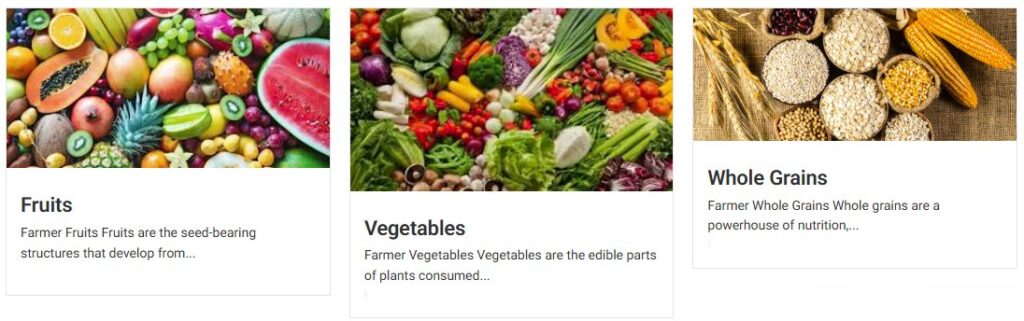

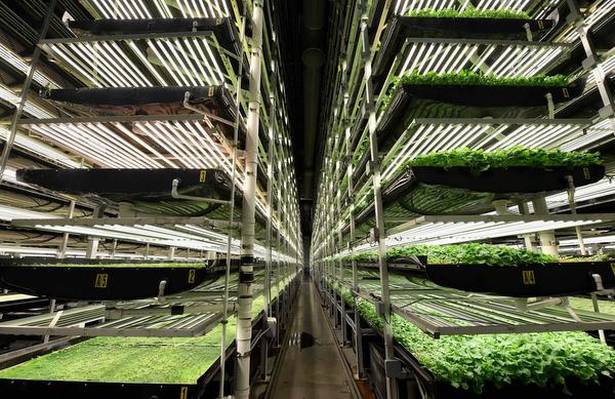
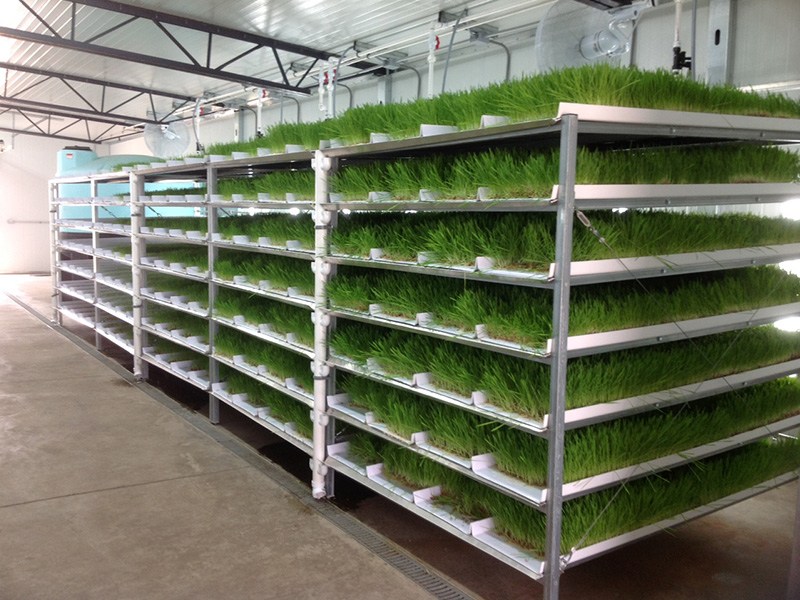
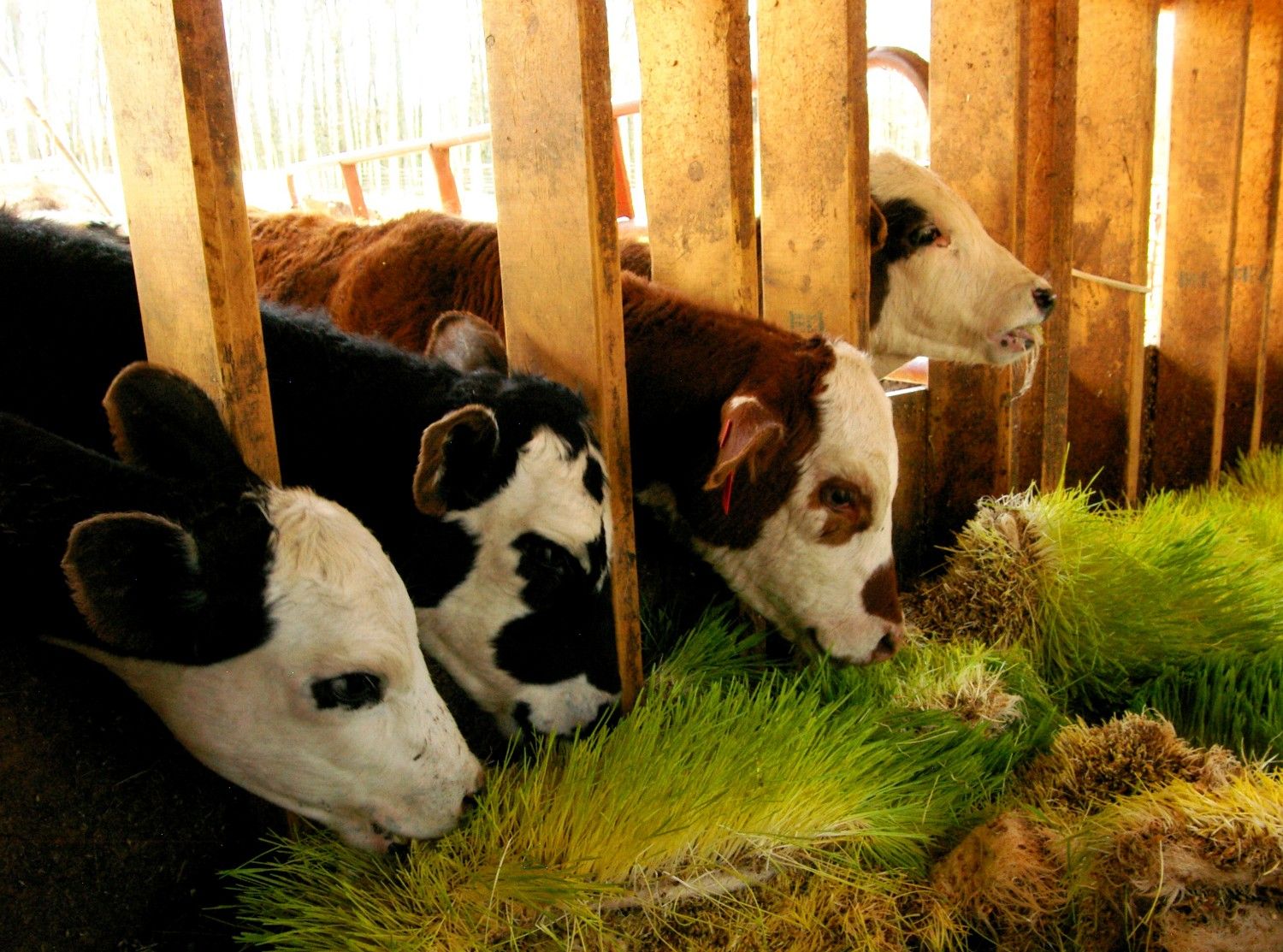
TOP 20 USA CROPS AND HERBS AND SPICES TO GROW
FARMERS SEEDS/CROPS
- Fodder
- Lusern
- Beans
- Chili Peppers
- Fruits
- Honey & Apiary
- Products
- Infused Oils
- Lentils
- Nuts
- Organic Fruits
- Organic Vegetables
- Peas
- Vegetables
- Whole Grains
- Potatos
- Tomatoes
- Lettice
- Avocados
- Straw/Bamboo
HERBS & SPICES
- Ginger
- Turmeric Root
- Garlic
- Oregano
- Thyme
- Sage
- Bay Leaves
- Basil
- Cilantro
- Parsley
- Rosemary
- Cinnamon
- Cumin
- Paprika
- Peppercorns
- Cloves
- Mustard Seeds
- Cardamom Pods
- BBQ Rubs
- Taco Seasoning
FREE PUBLIC DISTRIBUTION DIRECT TO CONSUMER
The Distribution Market Place Free to Farmers and Rachers and Producers
Major savings to the Consumers